The Disconnect: When Healthcare Becomes Hard to Navigate
When I joined Easymeds, the challenge was never about cosmetic styling or missing gradients. The real problem was far deeper: the platform had entered the market with ambitious technology, yet the experience was actively working against the business itself.
Patients arrived seeking rapid access to medical care, but were immediately confronted with fragmented navigation, unclear consultation steps, and redundant verification barriers. Transactions were not happening with any consistency, users dropped off silently before checkout, and the platform lacked the clarity required to convert visitors into loyal, paying patients.
This was not a visual polish assignment; it was a fundamental product survival problem:
How do you transform a platform built around internal engineering assumptions into an intuitive healthcare ecosystem that patients trust with their health and money?
The objective was clear from day one: make the product commercially viable by making healthcare access completely effortless.
The Role: Bridging Product Decisions with Commercial Survival
As the sole Product Designer on the initiative, my responsibility went far beyond crafting wireframes. I was tasked with bridging raw business metrics with human empathy — diagnosing friction points, analyzing telemetry drop-offs, rebuilding end-to-end user journeys, and redesigning the information architecture from first principles.
Every design proposal had to withstand two non-negotiable questions:
- Does this reduce cognitive load and hesitation for the patient?
- Does this tangibly advance conversion, retention, and business growth?
By operating across product strategy, interaction design, and design system governance, I ensured that every layout decision directly served long-term business scalability rather than superficial aesthetics.
Reframing the Problem: The Illusion of Feature Completeness
The legacy platform suffered from a syndrome common in early-stage tech ventures: it was built feature-first instead of experience-first.
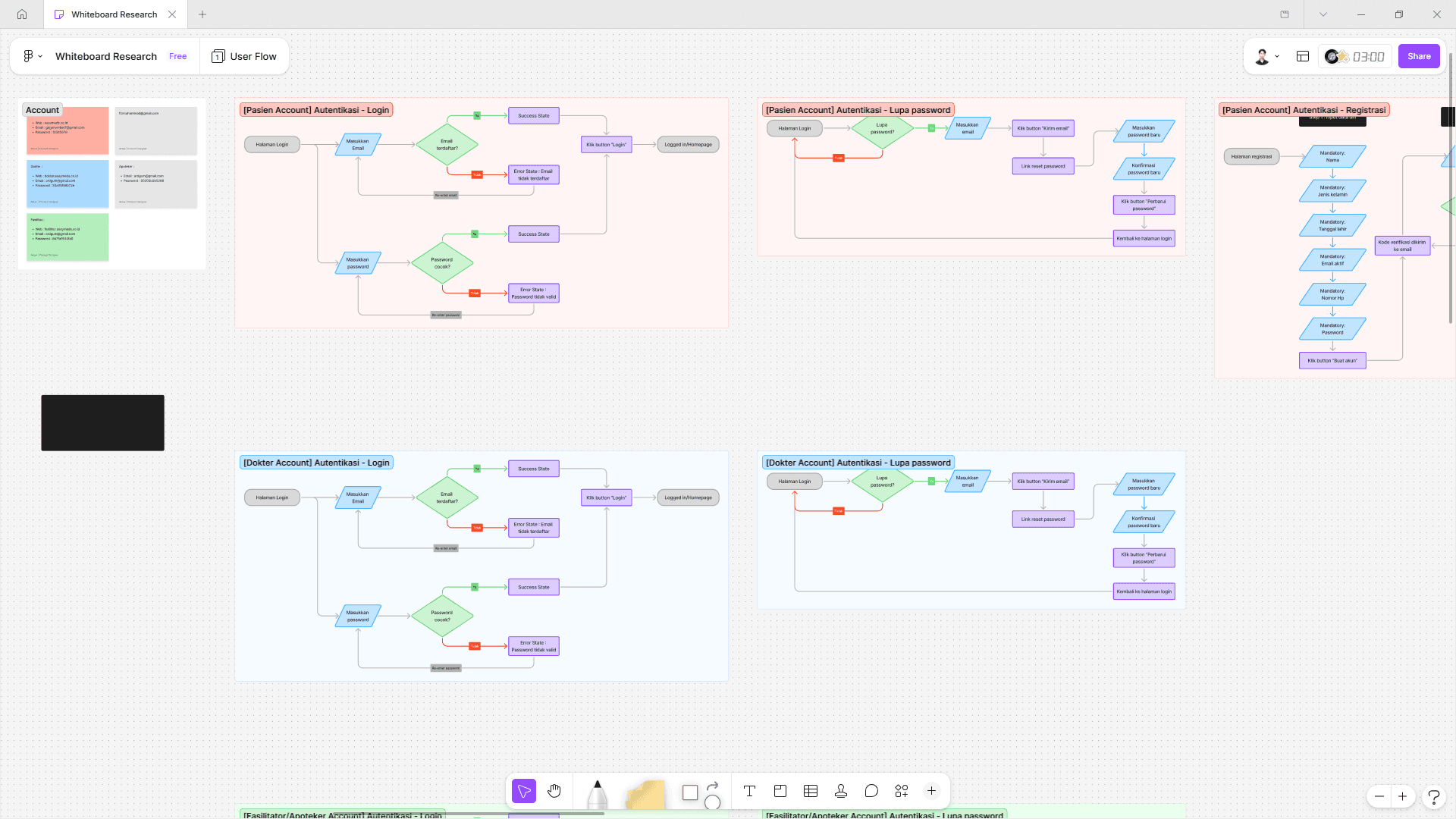
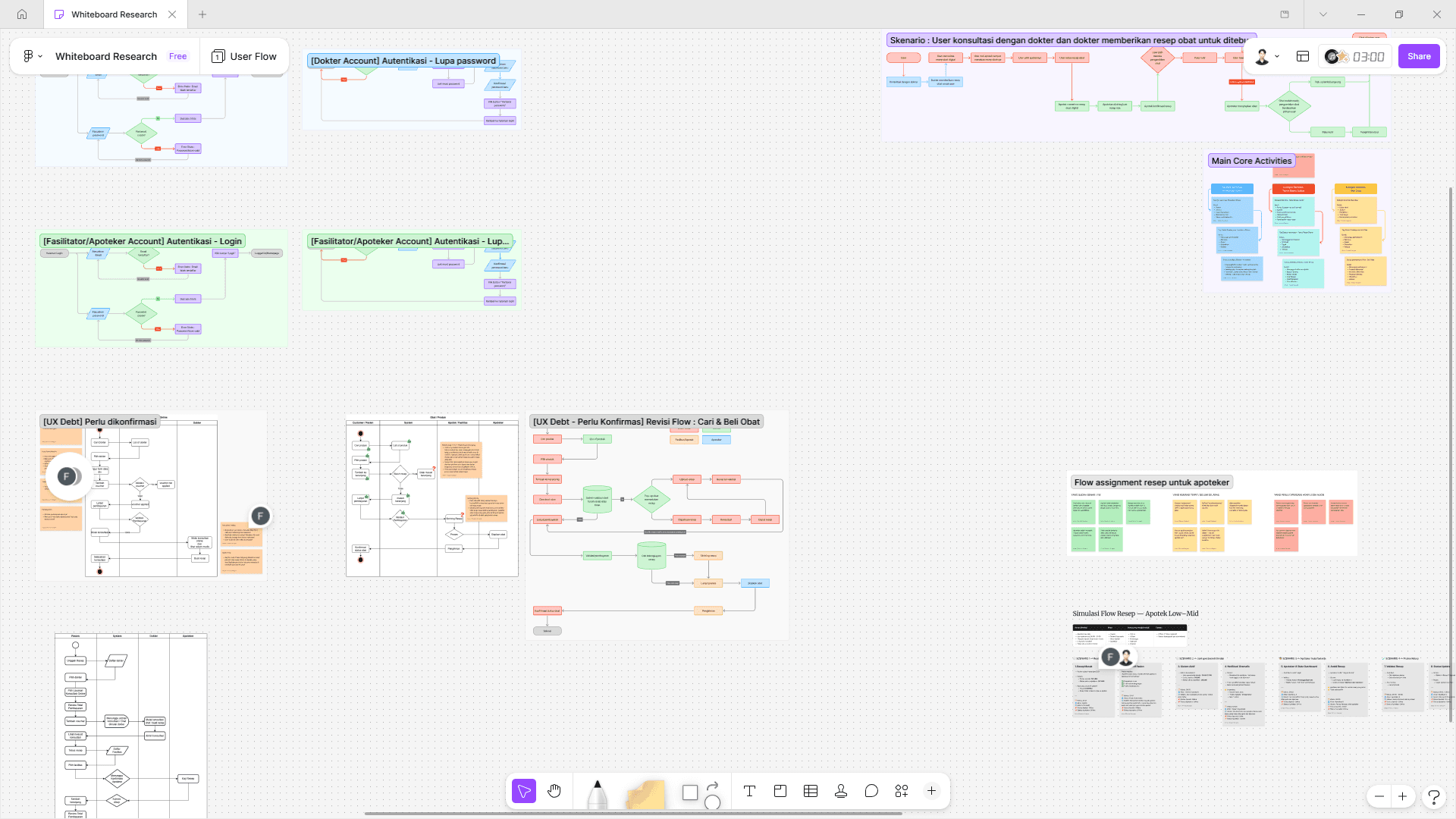
On paper, every feature existed: doctor listings, prescription uploads, scheduling calendars, and transaction ledgers. But in practice, the experience felt disjointed and intimidating. Crucial calls to action were buried behind multi-nested submenus, three separate verification checkpoints demanded repetitive patient confirmations, and contradictory visual hierarchies created decision fatigue.
Patients did not abandon the platform because they changed their mind about seeing a doctor; they abandoned it because the system made booking feel risky and exhausting. The impact was felt directly across the company’s financial sheets: high acquisition costs yielded dismal transaction completions, and user retention hovered near zero.
Strategic Direction: Defining Priorities Over Assumptions
Before opening design software, I halted all screen prototyping to lead a structural prioritization audit. We established a strict guiding philosophy: in digital healthcare, hesitation kills conversion.
Users seeking medical consultations are often anxious, in pain, or pressed for time. They do not want to “learn” an intricate user interface. The digital experience must feel immediate, transparent, and empathetic.
I restructured the core product hierarchy around four high-value intents:
- Finding the right licensed specialist quickly.
- Understanding upfront pricing and available time slots without hidden fees.
- Completing appointment booking in under two minutes.
- Accessing prescription history and doctor notes seamlessly post-consultation.
Every redundant step was questioned, every superfluous form input was eliminated, and every screen had to justify its existence against the core user journey.
Restructuring the Architecture Around User Intent
One of the platform’s heaviest burdens was structural confusion. The previous navigation mirrored the company’s internal department structure rather than the patient’s mental model.
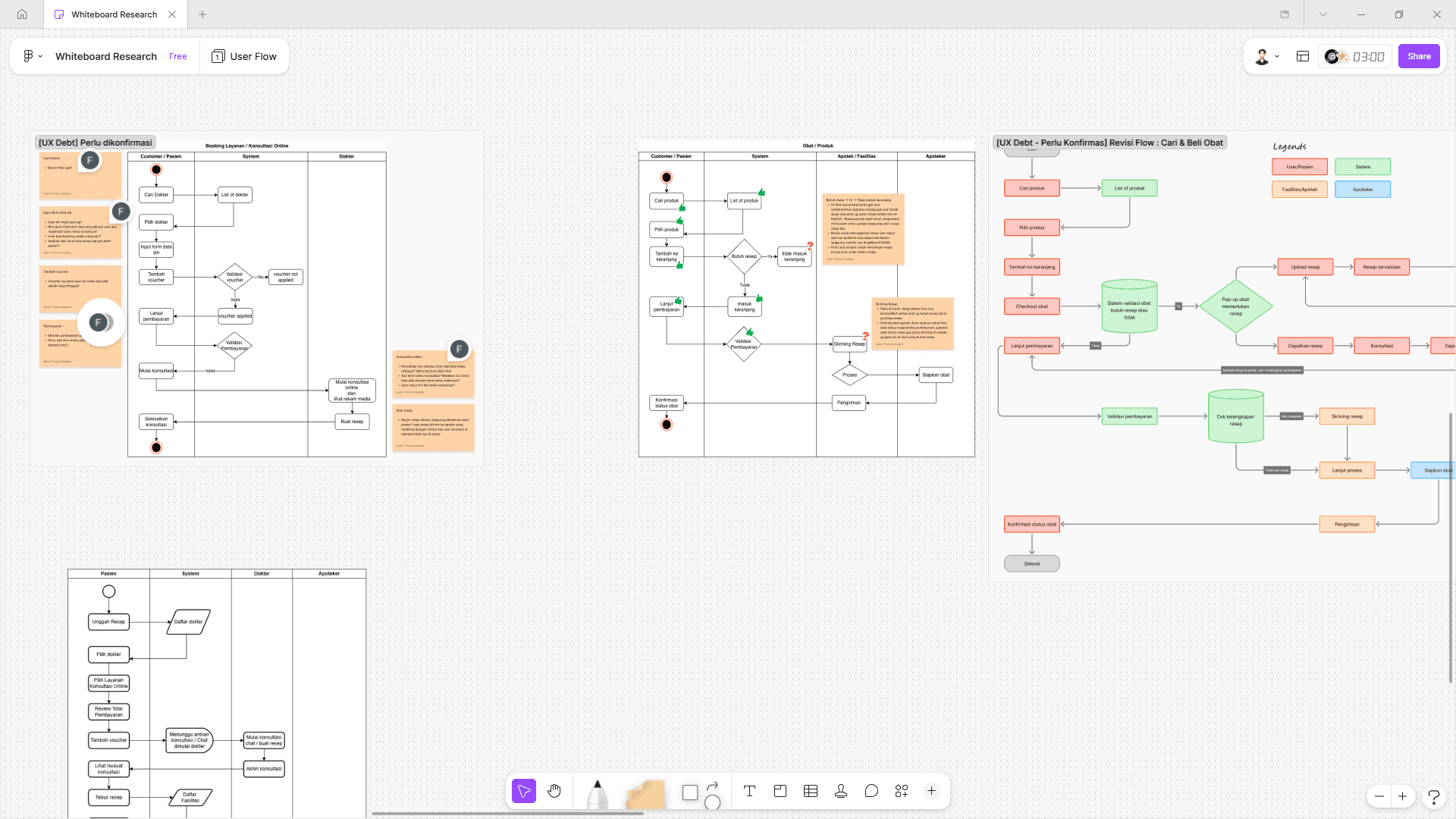
I dismantled this approach and re-architected the information hierarchy around intuitive decision paths:
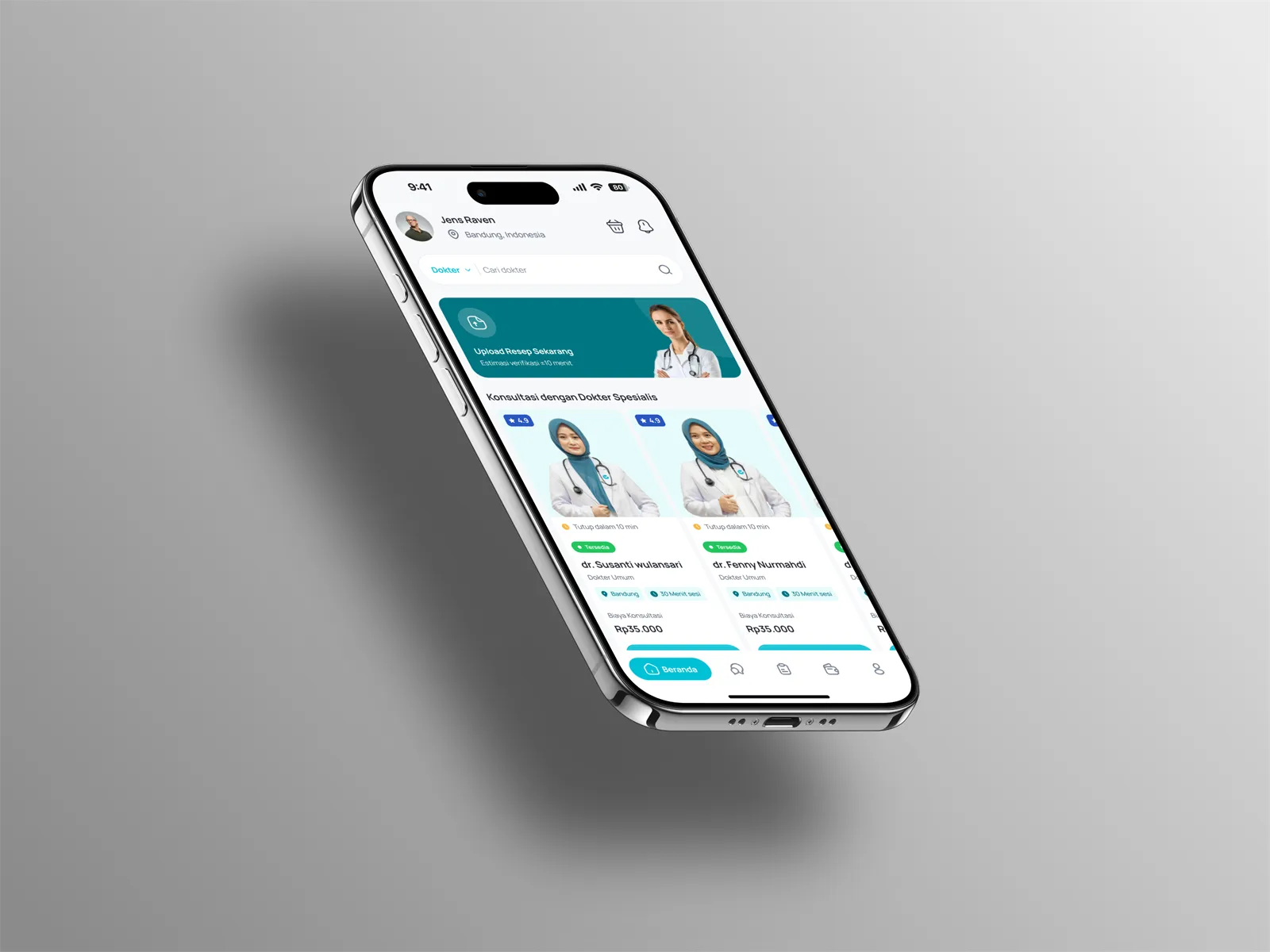
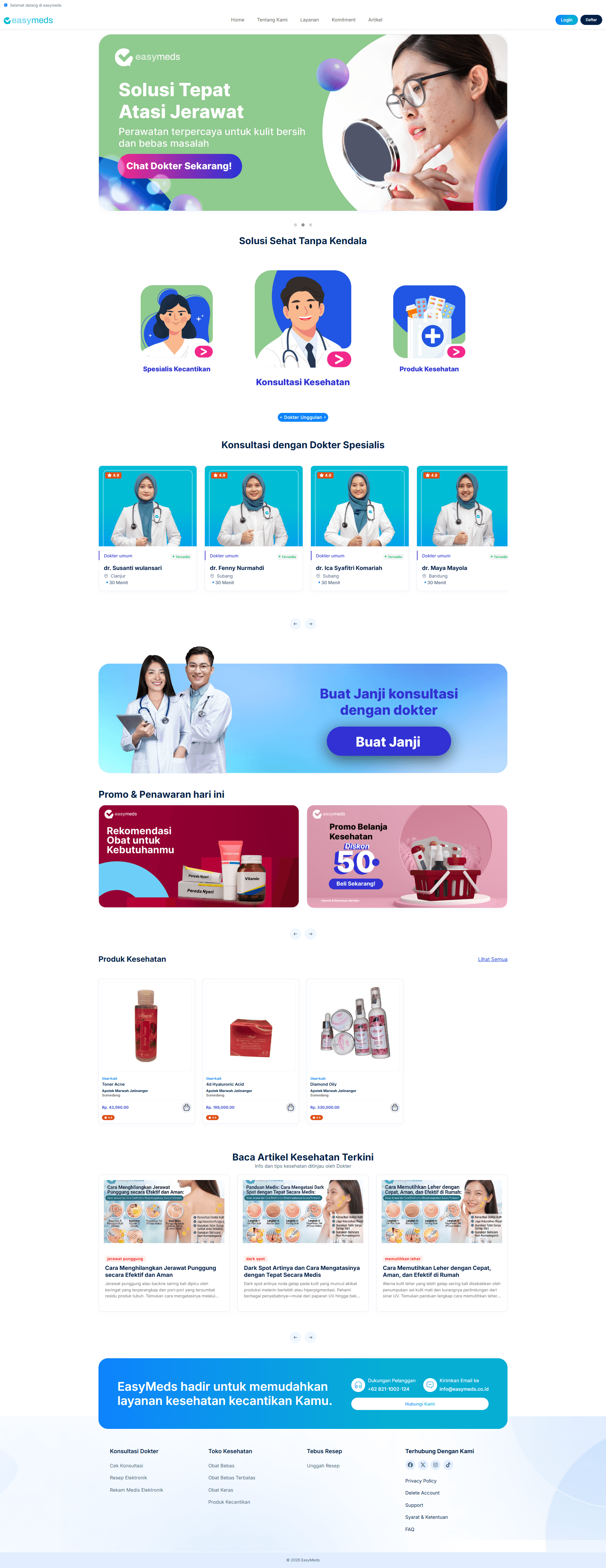
Instead of burying doctors beneath clinical categories and administrative filters, the new architecture introduced clear, intention-led entry points: Symptoms, Specialties, and Immediate Teleconsultation.
By removing visual clutter and establishing predictable page structures, cognitive load dropped instantly. High-fidelity IA is often invisible to the user — when done right, patients simply experience a feeling of total clarity and control.
Rebuilding the Consultation & Booking Journey
The appointment booking and payment funnel was where the greatest transaction leakage had previously occurred.
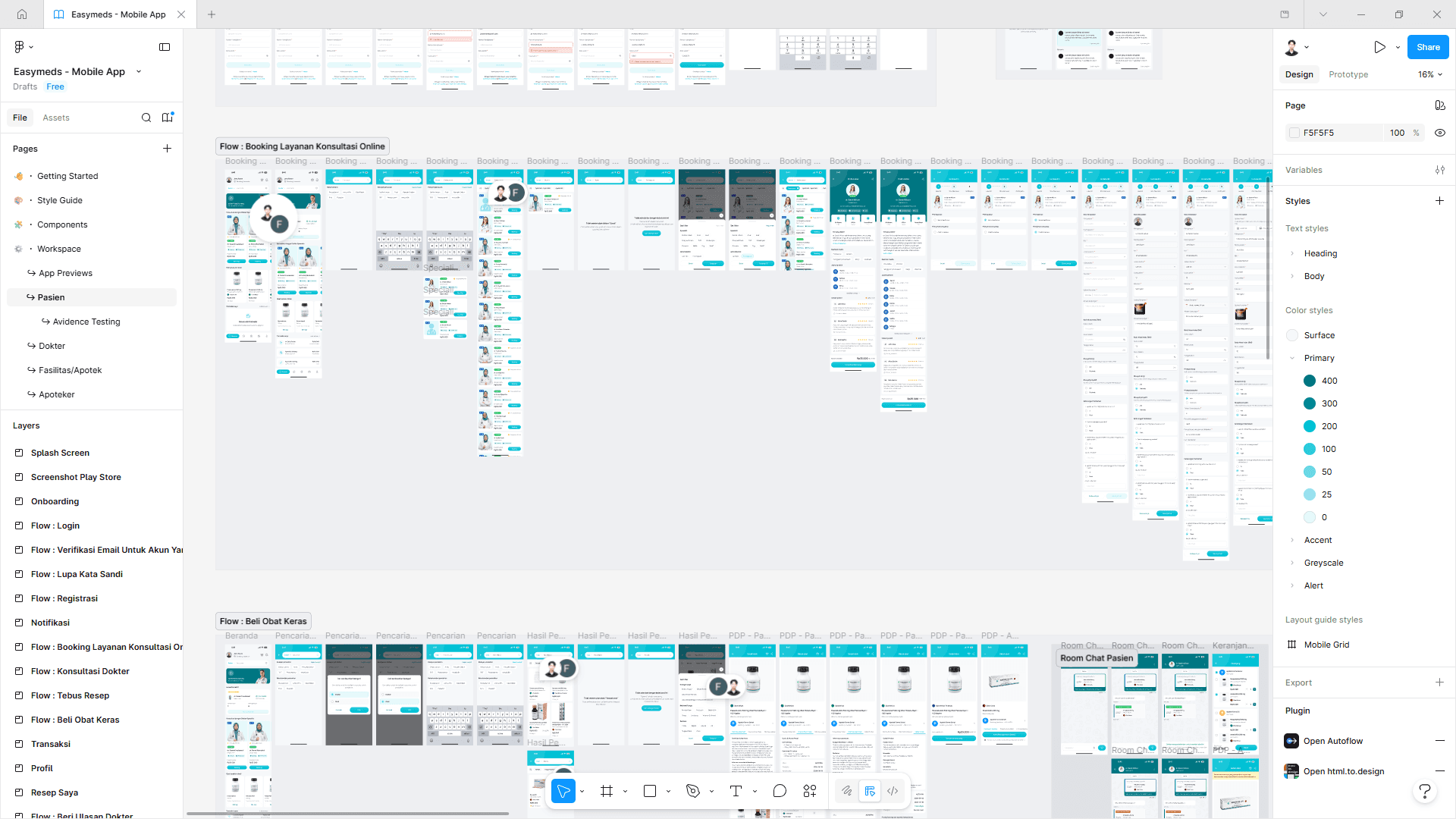
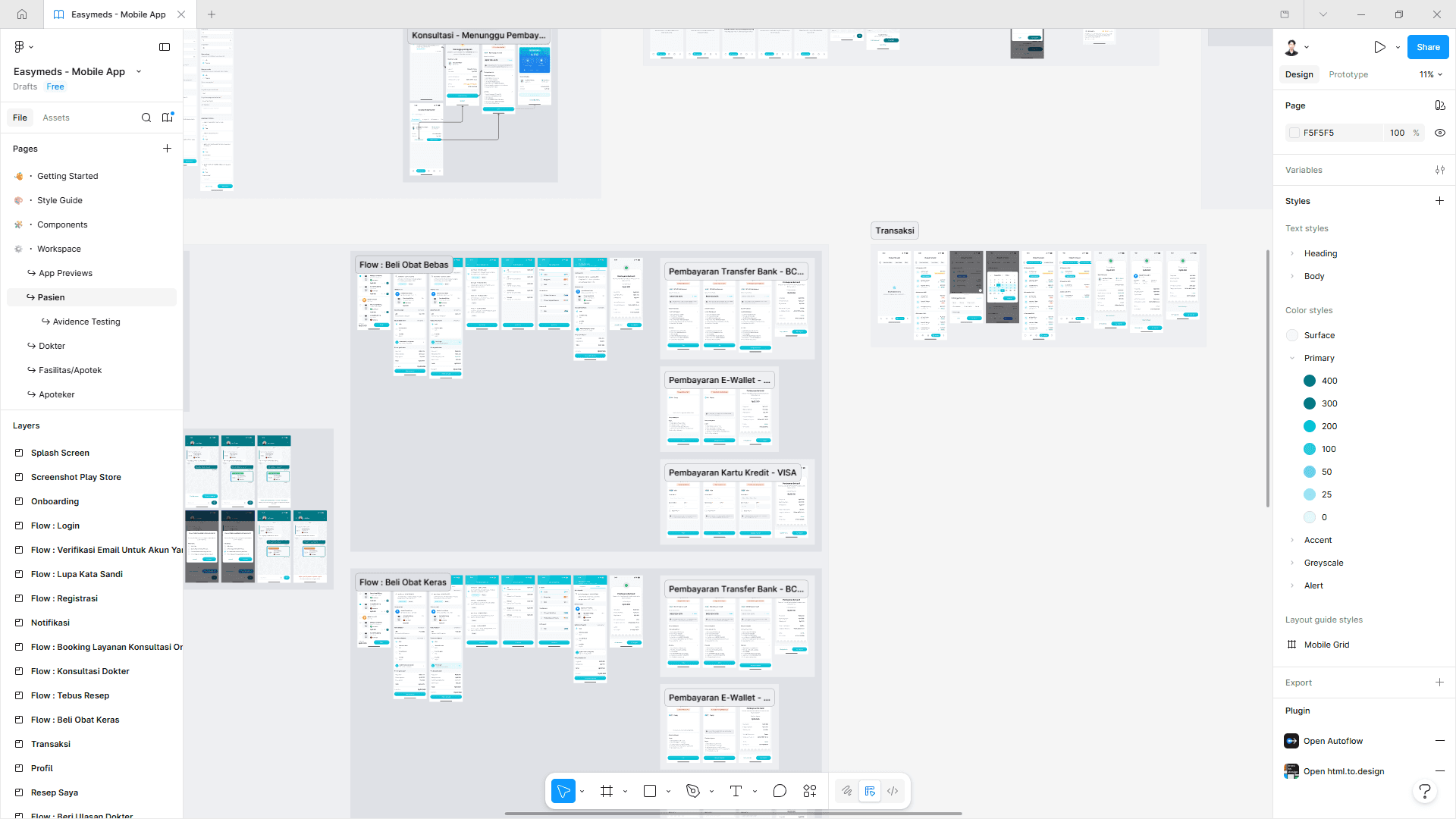
The original flow required users to navigate back and forth across multiple detached web views, introducing countless moments of hesitation right before payment. I re-engineered this flow into an unbroken, linear progression:
Specialist Discovery → Transparent Schedule Selection → Instant Confirmation & Summary → Secure Checkout → Automated Care Reminders.
By consolidating appointment details, doctor credentials, and cancellation policies onto a unified summary sheet, we eliminated checkout anxiety. Patients could clearly see who they were seeing, when the call would happen, and what was covered by their fee before entering payment credentials.
Measurable Shift & Operational Momentum
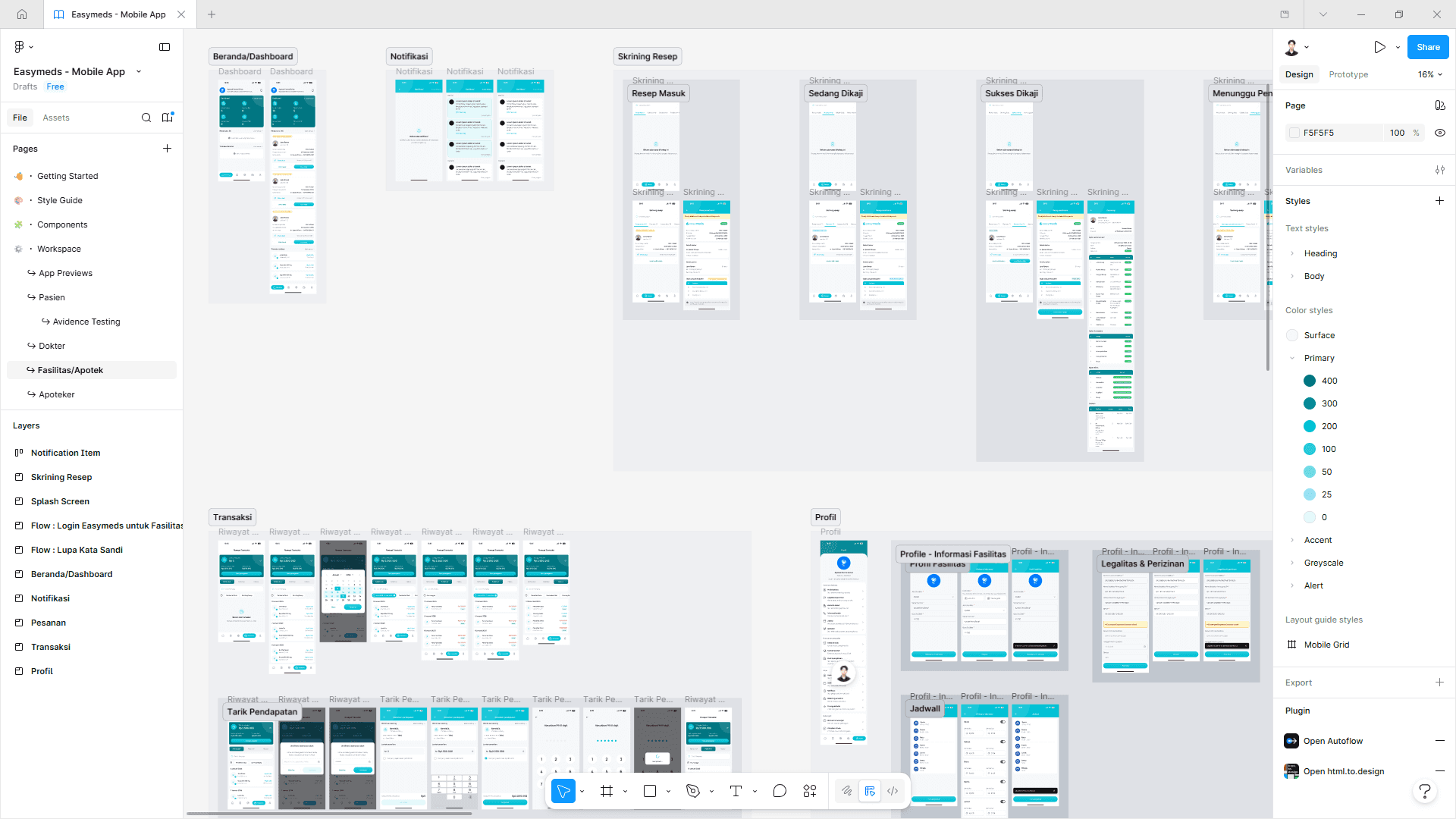
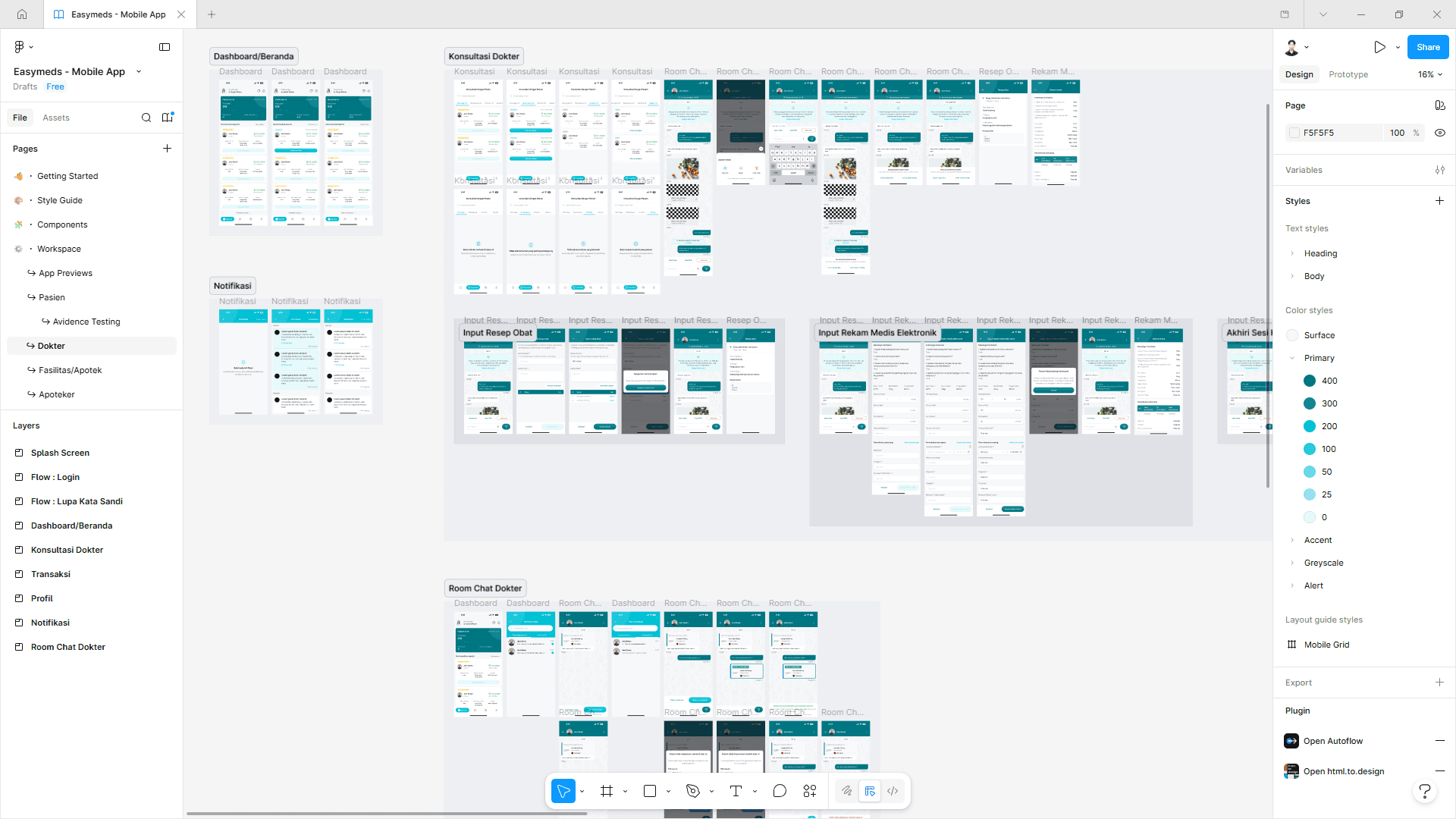
The redesign yielded immediate, measurable improvements across both operational efficiency and business performance:
- 40% Reduction in Prescription Verification Wait Times: Rebuilt triage logic allowed pharmacists and doctors to review requests in nearly half the time.
- Measurable Lift in Booking Completion: Removing three redundant verification steps eliminated the primary bottleneck where 60%+ of users used to drop off.
- Streamlined Engineering Delivery: Creating a modular design token library in Figma reduced developer handoff cycles and eliminated design ambiguity during sprints.
- Elevated Commercial Viability: Executive stakeholders gained a defensible, scalable product structure that turned one-time visitors into repeat consultation users.
The platform ceased to behave like a collection of disjointed tech experiments — it matured into a dependable healthcare product engineered for scale.
What I Learned: The Value of Restraint
Easymeds solidified a fundamental truth that defines my approach to product design:
Senior product design is rarely about making things look prettier; it is about making systems work better.
A sleek interface means nothing if it fails to solve user anxiety or drive business viability. The most impactful design decisions on Easymeds were not the flashy components I added, but the layers of friction, redundancy, and confusion that I had the courage to cut away.
At the end of the day, users do not remember the decoration on an interface — they remember whether the product respected their time, solved their problem, and gave them the confidence to move forward. That is where design transforms into genuine business value.